


Iran is renowned for its diverse array of dates, a staple fruit that has been cultivated for centuries. Among the different types of dates, each variety offers unique flavors, textures, and nutritional benefits. This guide delves into the various types of date fruits found in Iran, their health advantages, characteristics, and culinary uses, providing a comprehensive overview for date enthusiasts and health-conscious individuals alike.
What are the Different Types of Dates Found in Iran?
Popular Types of Dates in Iran
Iran is renowned for its diverse and delicious varieties of dates, each with distinct characteristics. Here are some of the most popular types:
- Mazafati Dates: Highly favored for their dark brown color and rich sweetness, Mazafati dates are often enjoyed fresh and are a staple in Iranian cuisine.
- Sayer Dates: Known for their soft texture and delightful taste, Sayer dates are another beloved variety that appeals to many.
- Piarom Dates: Often referred to as the “king of dates,” Piarom dates are celebrated for their exceptional quality and unique flavor.
- Rabbi Dates: This variety is prominent in Iran, offering a unique taste and texture that makes them a popular choice.
- Dayri Dates: Known for their smooth texture and mild sweetness, Dayri dates are widely enjoyed for snacking and culinary uses.
- Safawi Dates: Standing out for their unique flavor profile and semi-dry consistency, Safawi dates are a popular choice among consumers.
- Kaloteh Dates: Recognized for their larger size and distinctive sweet flavor, Kaloteh dates are cherished for their richness and are often used in various dishes.
Each of these varieties possesses its own distinct flavor, with some being robustly sweet while others offer a milder taste. The incredible diversity of dates in Iran not only enhances the region’s culinary landscape but also contributes significantly to its vibrant agricultural economy.
Medjool Date
The Medjool date is often regarded as one of the most prestigious types of dates, celebrated for its large size and sweet, caramel-like flavor. This variety is cultivated extensively in various regions, including Iran, where it thrives in the warm climate. Medjool dates are known for their soft and chewy texture, making them a delightful snack or ingredient in numerous dishes. These dates are also rich in nutrients, providing health benefits that contribute to overall well-being.
Furthermore, the Medjool date is not only a culinary favorite but also a versatile ingredient, often used in baking and cooking. Their natural sweetness allows them to serve as a healthier alternative to refined sugars, enhancing the taste of desserts while offering nutritional value. The popularity of Medjool dates has transcended borders, leading to their recognition as a premium product in both local and international markets.

Sayer Dates: A Sweet Delight
Sayer dates are another delightful variety that is cherished for their sweet flavor and soft texture. Originating from Iran, these dates are medium-sized and boast a golden to dark brown color, making them visually appealing as well. They are often enjoyed fresh but can also be dried to enhance their sweetness. Sayer dates are commonly consumed as a snack or used in various culinary applications, ranging from salads to desserts.
Moreover, the health benefits of Sayer dates are significant, as they are rich in essential nutrients, including dietary fiber, vitamins, and minerals. Incorporating Sayer dates into one’s diet can promote digestive health and provide a natural source of energy. Their versatility makes them a popular choice not just in Iran but also in various parts of the world, contributing to their growing demand in the global market.
What are the Health Benefits of Eating Dates?
How Dates Are Rich in Nutrients
Nutritional Benefits of Dates are celebrated for their impressive nutrient density, making them an excellent addition to a balanced diet. Below is a detailed overview of their nutritional profile:
| Nutrient | Amount per100g | % Daily Value* |
| Calories | 277 kcal | 14% |
| Carbohydrates | 75 g | 25% |
| Dietary Fiber | 7 g | 28% |
| Sugars | 63 g | – |
| Proteins | 2 g | 4% |
| Fat | 0.2 g | 0% |
| Potassium | 696 mg | 20% |
| Magnesium | 54 mg | 14% |
| Vitamin B6 | 0.2 mg | 12% |
| Vitamin A | 149 IU | 3% |
*Based on a2,000-calorie diet.
Key Nutritional Highlights:
- High in Dietary Fiber: The fiber content in dates helps in digestion, promoting a healthy digestive system and reducing the risk of constipation. One serving of dates can fulfill around28% of the daily fiber requirement (USDA FoodData Central).
- Natural Sugars for Energy: Dates are naturally sweet due to their high sugar content, providing a quick source of energy, making them a great snack for athletes and active individuals.
- Rich in Essential Minerals: Dates are an excellent source of potassium, which helps regulate blood pressure, and magnesium, which is important for muscle and nerve function.
- Packed with Antioxidants: Dates contain various antioxidants, including flavonoids and carotenoids. These compounds help combat oxidative stress, reduce inflammation, and may lower the risk of chronic diseases (National Institutes of Health).
Incorporating dates into your diet can be beneficial for overall health and well-being. They can be enjoyed on their own or added to smoothies, salads, and various dishes.
Health Benefits of Date Varieties
Different types of dates offer unique health benefits that cater to various dietary needs. For instance, Medjool dates are particularly noted for their high potassium content, which supports cardiovascular health, while Sayer dates are praised for their high fiber content, promoting digestive health. Other varieties, such as the Piarom and Ajwa dates, are renowned for their antioxidant properties, which aid in combating free radicals in the body.
Moreover, the consumption of dates can help regulate blood sugar levels due to their low glycemic index, making them a suitable option for individuals with diabetes. The diverse range of dates available allows for an array of health benefits, making them an essential component of a nutritious diet. Incorporating these delicious fruits into daily meals can lead to significant improvements in health and vitality.

Are Dates Good for Digestive Health?
Yes, dates are exceptionally beneficial for digestive health. The high fiber content in dates aids in promoting regular bowel movements and preventing constipation. Fiber helps to bulk up stool and facilitates its passage through the digestive tract, making dates an excellent natural remedy for digestive issues. Regular consumption of dates can contribute to a healthier gut and improved overall digestive function.
Furthermore, the natural sugars found in dates provide a quick source of energy while being easy to digest. This makes them an ideal snack for individuals seeking a healthy energy boost. The combination of soluble and insoluble fiber in dates not only supports digestive health but also aids in the absorption of nutrients, ensuring that the body receives the maximum benefit from the food consumed. Incorporating dates into the diet can lead to a more balanced and efficient digestive system.
What are the Characteristics of Fresh and Dry Dates?
Differences Between Fresh Dates and Dry Dates
Fresh dates and dry dates have distinct characteristics that set them apart. Here’s a breakdown of their key differences:
Texture and Moisture Content
- Fresh Dates: Often referred to as “soft dates,” they have a high moisture content, resulting in a tender and juicy texture.
- Dry Dates: Varieties like Zahidi and Khudri have lower moisture levels, making them chewier and more concentrated in flavor.
Sweetness and Flavor
- Fresh Dates: Their high moisture content gives them a mild sweetness and a fresh taste.
- Dry Dates: The drying process enhances their sweetness, resulting in a richer, more intense flavor profile.
Shelf Life
- Fresh Dates: Due to their moisture content, fresh dates have a shorter shelf life and need to be consumed relatively quickly.
- Dry Dates: Their lower moisture content allows for extended storage, making them suitable for long-term use.
Nutritional Composition
- Fresh Dates: While rich in vitamins and minerals, they contain less concentrated sugars and calories.
- Dry Dates: The removal of water increases their concentration of sugars and calories, making them denser in energy.
Culinary Applications
- Fresh Dates: Commonly enjoyed as a snack or added to salads, fresh dates offer a burst of sweetness and moisture.
- Dry Dates: Often used in baking, cooking, and energy bars, dry dates provide a rich flavor and are more versatile for various recipes.
In summary, the choice between fresh and dry dates often depends on personal preference and the intended use in culinary applications, with each type bringing its own unique qualities to the table.
Popular Dry Date Varieties
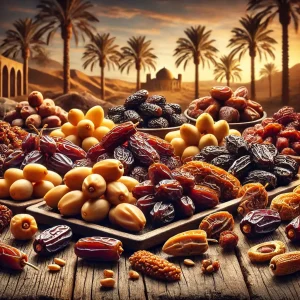
Among the popular dry date varieties, Medjool, Khudri, and Deglet Noor dates are particularly well-known. Medjool dates, often considered the “king of dates,” are prized for their plump size and rich flavor. Khudri dates are characterized by their semi-dry texture and sweet taste, making them a favorite among date enthusiasts. Deglet Noor dates are known for their delicate flavor and are often used in cooking and baking due to their versatility.
Each of these varieties offers unique flavor profiles and culinary applications. For instance, Medjool dates are excellent for snacking, while Khudri dates can be used in smoothies or energy bars. Deglet Noor dates are often incorporated into various dishes, from desserts to savory recipes. The diversity of dry date varieties provides options for consumers looking to enjoy the nutritional benefits and delicious flavors that dates have to offer.
How to Store Fresh Dates Properly
Storing fresh dates properly is essential to maintain their quality and extend their shelf life. Fresh dates should be kept in a cool, dry place, ideally in the refrigerator, to preserve their moisture and prevent spoilage. When stored in an airtight container, fresh dates can last for several weeks, allowing consumers to enjoy their sweetness without compromising their texture.
Moreover, if fresh dates are not consumed within a short period, they can be frozen to maintain their quality. Freezing dates extends their shelf life significantly while retaining their flavor and nutritional value. It is important to ensure that the dates are properly sealed in a freezer-safe bag or container to prevent freezer burn. By following these storage guidelines, individuals can enjoy fresh dates at their peak flavor and quality for an extended period.
What Types of Dates Are Popular in Saudi Arabia?
Ajwa Dates: A Traditional Favorite
Ajwa dates are among the most celebrated types of dates in Saudi Arabia, revered for their rich history and unique taste. These dark brown, soft dates are often associated with traditional practices and are believed to possess numerous health benefits. Ajwa dates are known for their distinct flavor, which combines sweetness with a hint of nuttiness, making them a favorite among consumers.
Furthermore, Ajwa dates are often consumed for their potential medicinal properties, including their ability to boost energy and support digestive health. They are frequently included in traditional meals and are often given as gifts during religious observances. The cultural significance of Ajwa dates, along with their high nutritional value, solidifies their status as a cherished fruit in Saudi Arabian cuisine.
Deglet Noor Dates: The Delicate Variety
Deglet Noor dates are another popular choice in Saudi Arabia, known for their delicate flavor and texture. These amber-colored dates are often referred to as the “queen of dates” due to their exquisite taste and versatility. Deglet Noor dates are commonly used in cooking and baking, adding natural sweetness to a variety of dishes, including desserts, salads, and savory meals.
Additionally, Deglet Noor dates are rich in nutrients, making them a healthy snack option. They are packed with essential vitamins and minerals, contributing to overall health and well-being. The combination of their delightful flavor and health benefits has made Deglet Noor dates a staple in many households, not only in Saudi Arabia but around the world.
Health Benefits of Saudi Dates
The health benefits of Saudi dates are extensive, making them a popular choice among health-conscious individuals. Dates are rich in essential nutrients such as fiber, potassium, and magnesium, which play vital roles in maintaining overall health. Consuming dates can help regulate blood sugar levels, support heart health, and improve digestion, making them an excellent addition to a balanced diet.
Furthermore, the antioxidants present in dates, including flavonoids and carotenoids, contribute to their health-promoting properties. These compounds help combat oxidative stress and inflammation, reducing the risk of chronic diseases. The diverse varieties of Saudi dates, each with its unique health benefits, make them a valuable fruit in promoting a healthy lifestyle.
How Are Dates Grown and Harvested?
The Date Palm Cultivation Process
The cultivation of date palms is a meticulous process that requires attention to detail and favorable climatic conditions. Date palms thrive in warm, arid environments, making regions like Iran and Saudi Arabia ideal for their growth. The cultivation process begins with selecting healthy seedlings, which are then planted in well-drained soil. Adequate irrigation and care are essential during the early stages of growth to ensure strong root development.
As the date palms mature, they require regular maintenance, including pruning and pest management, to promote healthy fruit production. The flowering stage is critical, as it determines the yield and quality of the dates produced. Farmers often utilize traditional methods to pollinate the flowers, ensuring a successful fruit set. The dedication to nurturing date palms results in the production of high-quality dates that are celebrated around the world.
Harvesting Different Types of Date Fruits
Harvesting dates is a labor-intensive process that involves careful timing and technique. Dates are typically harvested when they reach optimal ripeness, which varies among different types of date fruits. For instance, Medjool dates are usually harvested in late summer to early autumn, while Sayer dates may be collected slightly earlier. The timing of the harvest is crucial, as it impacts the flavor and texture of the dates.
Harvesting is often done by hand to ensure that the dates are picked gently, preventing bruising and damage. Workers climb the palm trees, carefully cutting the clusters of dates and placing them in baskets. This traditional method of harvesting not only preserves the quality of the dates but also maintains the integrity of the palm trees, allowing them to continue producing fruit for many years.
Regional Differences in Date Farming
Date farming practices can vary significantly between different regions, influenced by climatic conditions, soil types, and cultural traditions. In Iran, for example, the cultivation of dates is often concentrated in specific provinces known for their favorable growing conditions. Farmers in these regions employ traditional methods of irrigation and pollination, which have been passed down through generations.
In contrast, date farming in Saudi Arabia may incorporate modern agricultural techniques, including the use of advanced irrigation systems and technology to enhance productivity. Despite these differences, the commitment to producing high-quality dates remains a common goal among date farmers in both countries. The rich agricultural heritage and the diversity of farming practices contribute to the global reputation of Iranian and Saudi dates as some of the finest in the world.
What Makes Iranian Dates Unique?
Exploring Mazafati and Piarom Dates
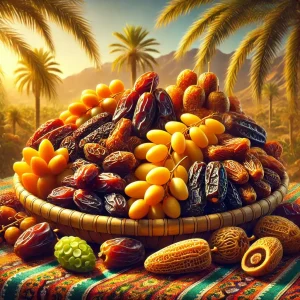
Iranian dates, particularly the Mazafati and Piarom varieties, stand out for their unique flavors and textures. The Mazafati date is renowned for its soft, succulent flesh and rich sweetness, making it a favorite among date enthusiasts. Its dark brown color and plump appearance further enhance its appeal. On the other hand, the Piarom date, often referred to as the “king of dates,” is celebrated for its complex flavor profile, which includes hints of caramel and honey.
These distinctive characteristics make Iranian dates highly sought after in both local and international markets. The cultivation methods employed in Iran, combined with the country’s ideal climate for date palm growth, contribute to the exceptional quality of these dates. As a result, Mazafati and Piarom dates have become synonymous with Iranian date culture and are often featured in culinary traditions, showcasing their versatility and richness.
Iranian Dates: A Culinary Treasure
Iranian dates are not only recognized for their unique flavors but also valued as a culinary treasure. They are often incorporated into various dishes, from sweet desserts to savory meals, adding natural sweetness and depth of flavor. The versatility of Iranian dates allows them to be used in a range of culinary applications, including salads, smoothies, and baked goods, enhancing the overall taste and nutritional value of these dishes.
Moreover, the use of Iranian dates in traditional recipes highlights their cultural significance. They are often enjoyed during special occasions and celebrations, symbolizing hospitality and generosity. The rich history of date cultivation in Iran has established dates as an essential ingredient in the country’s culinary landscape, contributing to the nation’s identity and heritage.
Comparison of Iranian and Saudi Dates
When comparing Iranian and Saudi dates, both regions showcase a remarkable diversity of date varieties, each with unique characteristics and flavors. Iranian dates, like Mazafati and Piarom, are known for their soft texture and rich sweetness, while Saudi dates, such as Ajwa and Deglet Noor, are celebrated for their distinct flavors and textures. This diversity reflects the unique climatic conditions and cultivation practices present in each country.
Additionally, both Iranian and Saudi dates offer a plethora of health benefits, making them highly regarded in global markets. The nutritional profiles of these dates, rich in fiber, vitamins, and antioxidants, contribute to their reputation as a superfood. Ultimately, while both regions have their unique offerings, the comparison of Iranian and Saudi dates highlights the rich cultural and agricultural heritage that defines the world of dates.
How to Use Dates in Cooking and Baking?
Making Date Syrup and Date Sugar
Dates can be transformed into delicious and nutritious ingredients, such as date syrup and date sugar. Date syrup is made by soaking and blending dates, resulting in a thick, sweet liquid that can be used as a natural sweetener in various recipes. This versatile syrup can replace refined sugars in baking and cooking, offering a healthier alternative without sacrificing flavor.
Similarly, date sugar is produced by drying and grinding dates into a fine powder. This natural sweetener retains the nutrients found in dates, making it a wholesome option for enhancing the sweetness of baked goods and other dishes. Both date syrup and date sugar can be effortlessly incorporated into a variety of recipes, providing a unique flavor profile and health benefits that refined sugars cannot match.
Incorporating Dates in Sweet and Savory Dishes
Incorporating dates into both sweet and savory dishes is a delightful way to enhance flavors and add nutritional value. In sweet dishes, dates can be used as a natural sweetener in smoothies, energy bars, and desserts, providing a rich flavor and chewy texture. They can also be stuffed with nuts or cheese for a gourmet treat, making them a popular choice for appetizers and snacks.
In savory dishes, dates can add a touch of sweetness to salads, grain bowls, and meat dishes. Their versatility allows them to complement various flavors, from spicy to tangy, making them an excellent addition to diverse cuisines. Whether used in a traditional recipe or a modern dish, dates elevate the culinary experience, showcasing their unique taste and health benefits.
Popular Recipes Featuring Dates
Several popular recipes showcase the versatility of dates in the culinary world. One such recipe is date and walnut energy balls, which combine dates, nuts, and spices to create a nutritious snack. These energy balls are perfect for on-the-go snacking and provide a natural energy boost without refined sugars.
Another favorite is stuffed dates, where dates are filled with nuts, cheese, or other ingredients (Dates Products) to create a delicious appetizer. These sweet and savory bites are often served at gatherings and celebrations, highlighting the culinary creativity that dates inspire. From desserts to snacks, the use of dates in various recipes continues to grow, making them a beloved ingredient in kitchens around the world.