


When it comes to the world of dried fruits, dates stand out not only for their unique sweetness but also for their impressive nutritional profiles. This article delves into the nutritional differences between black dates and brown dates, two popular types of dates that offer various health benefits. Understanding these differences can help you make informed choices about incorporating these nutritious fruits into your diet.
Types of Dates: Black vs. Brown
When comparing the two types of dates, black dates and brown dates exhibit distinct characteristics. Black dates typically have an oval to cylindrical shape, measuring between 3 to 7 cm long and 2 to 3 cm wide. Initially bright red to yellow, they turn black as they ripen. Each black date contains a seed roughly 6 to 8 cm thick. They are often enjoyed fresh, dried, or in syrup form, boasting a chewy texture complemented by a rich caramel flavor. These dates find their way into salads, milkshakes, and various baked goods. On the other hand, brown dates, generally consumed in their dried form, have a higher caloric content due to the concentration of sugars that occurs during the drying process. They are also recognized for their high fiber content and rich antioxidant properties, which help protect cells from free radicals. While both black and brown dates offer unique benefits, brown dates have a longer shelf life compared to their black counterparts.

Dry Dates: An Overview
Dry dates are simply dehydrated versions of the original fruit, widely used in many culinary applications, especially within Indian culture. The drying process significantly enhances the caloric content of dates due to the concentration of sugars as moisture is lost. Fresh dates, often referred to as black dates, have a moisture content that limits their shelf life to approximately 8-10 months. In contrast, dry dates can last up to 5 years when stored correctly. The nutritional profiles of dry and black dates differ notably, particularly in terms of calories and macronutrient concentrations. For instance, dry dates can contain more carbohydrates and calories per weight than black dates, making them a more energy-dense option. This difference in moisture content and caloric density plays a vital role in determining how and when to enjoy these delicious fruits.
Nutritional Comparison
When comparing the nutritional profiles of black dates and brown dates, both types of dates are remarkably nutritious, providing essential vitamins and minerals that benefit overall health. Both varieties of dates contain significant amounts of iron, potassium, and magnesium, which contribute to heart health and are known to help reduce the risk of chronic diseases such as diabetes. Notably, black dates have a slightly lower caloric content compared to dried brown dates, mainly because of the differences in moisture content. Dried brown dates tend to be denser in sugars and calories due to the dehydration process, making them a more concentrated source of energy. Although both types of dates offer a plethora of beneficial nutrients, the specific concentrations of these nutrients can vary, with dried dates often exhibiting higher levels of certain minerals, such as calcium, which is essential for bone health.
typical nutrient profiles per 100 grams:
| Nutrient | Black Dates (Fresh) | Brown Dates (Dried) |
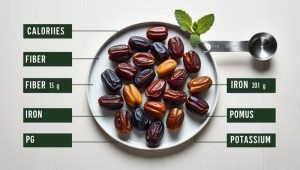
| Calories | 277 kcal | 314 kcal |
| Carbohydrates | 75 g | 80 g |
| Sugars | 63 g | 66 g |
| Protein | 2 g | 2.5 g |
| Fat | 0.2 g | 0.4 g |
| Fiber | 7 g | 8 g |
| Iron | 1 mg (6% DV) | 1.5 mg (8% DV) |
| Potassium | 650 mg (18% DV) | 700 mg (20% DV) |
| Magnesium | 50 mg (12% DV) | 55 mg (14% DV) |
| Calcium | 40 mg (4% DV) | 65 mg (6.5% DV) |
Caloric Content
The caloric content of black dates and dry dates reveals a significant difference that can influence dietary choices. For instance, black dates contain approximately 145 calories per 100 grams, offering a lower caloric option for those mindful of their weight. In contrast, dry dates can have around 280 calories for the same weight, resulting from the loss of moisture during the drying process. This concentration of sugars in dry dates makes them a more energy-dense food. Additionally, black dates are lower in carbohydrates and sugars compared to their dried counterparts, making them an appealing choice for individuals monitoring their sugar intake or those managing conditions like diabetes. Understanding the caloric differences between these two types of dates is essential for making informed dietary choices, especially for those aiming to maintain a balanced diet while enjoying the natural sweetness of dates.
Vitamins and Minerals
Black dates and brown dates are both rich in essential vitamins and minerals that support overall health, making them valuable additions to a well-rounded diet. These types of dates are particularly high in iron, which is crucial for maintaining healthy blood levels and preventing anemia. Potassium, another vital mineral found in both black and brown dates, plays a significant role in regulating heart function and blood pressure. Furthermore, black dates are noted for their vitamin C content, which aids in boosting the immune system and enhancing skin health. On the other hand, dried brown dates may present higher concentrations of calcium and other minerals, contributing to bone strength. The presence of these nutrients in dates helps promote various health benefits, reinforcing the importance of incorporating these fruits into daily meals for optimal nutrition and wellness.

Fiber Content in Black and Brown Dates
The fiber content is a significant aspect of both black and brown dates, making them an excellent choice for those looking to enhance their dietary fiber intake. Black dates typically contain around 5 grams of fiber per 100 grams. This high fiber content aids in digestion, helping to prevent constipation and promoting overall digestive health. In addition, consuming fiber-rich foods, such as dates, can contribute to a feeling of fullness, which is beneficial for weight management. Brown dates also boast a similar fiber content, making them equally advantageous for those seeking to increase their fiber consumption. Incorporating either type of date into your diet can help regulate bowel movements and promote a healthy digestive system. Whether you choose to eat fresh dates or dry dates, the fiber they contain plays a crucial role in your daily nutrition, providing essential benefits that can improve your overall well-being.
Health Benefits of Dates
Both black and brown dates offer a plethora of health benefits, thanks to their rich nutritional profiles. One of the standout features of these dates is their antioxidant properties, which protect the body against cellular damage caused by free radicals. This protective effect can significantly reduce the risk of chronic diseases, such as heart disease and cancer. Additionally, dates are known for their anti-inflammatory effects, which can help manage conditions like arthritis and asthma. Their high fiber content further enhances digestive health and promotes regular bowel movements, which are vital for overall wellness. Minerals such as potassium and magnesium found in these fruits contribute to heart health, helping to regulate blood pressure and reduce the risk of cardiovascular diseases. Regular consumption of dates has been linked to improved energy levels and enhanced mood, making them a valuable addition to a balanced diet.

Conclusion
In conclusion, both black and brown dates possess unique properties and nutritional profiles that cater to various dietary needs. Black dates are generally sweeter and provide a delightful taste, making them a favorite for many. On the other hand, brown dates, often higher in calories due to their dried nature, have a longer shelf life, making them a practical choice for storage and consumption. The choice between the two types of dates may depend on personal preferences, whether one desires the sweeter taste of black dates or the convenience of brown dates. Regardless of the choice, both types of dates can be a healthy addition to any diet, offering numerous health benefits and a rich source of essential nutrients. By incorporating dates into meals and snacks, individuals can enjoy their natural sweetness while reaping the nutritional rewards they provide.
Buy Best Dates from TGT Group
If you’re looking to incorporate the health benefits of dates into your diet, consider purchasing the best quality dates from TGT Group. They offer a wide selection of both black dates and brown dates, ensuring you have access to the finest options available. Sourcing high-quality dates guarantees that you are consuming fruits with optimal nutrient content, including fiber, vitamins, and minerals. The freshness of the dates is also crucial, as it contributes to their flavor and health benefits. Whether you prefer fresh dates or dry dates, TGT Group provides products that meet your dietary needs. Their commitment to quality ensures that you can enjoy the rich taste and numerous health advantages associated with these nutritious fruits. Don’t miss the opportunity to enhance your diet with the best dates available on the market.