


How to Store Pistachios: Tips for Keeping Roasted Nuts Fresh and Tasty
Pistachios are a beloved snack, offering a delightful crunch and numerous health benefits. However, to enjoy their delicious flavor and nutritional value, proper storage is essential. This article provides comprehensive guidelines on how to store pistachios effectively, ensuring they remain fresh and tasty for as long as possible.
Why Is Proper Storage Important for Pistachios?
Proper storage of pistachios is crucial to maintain their freshness and prevent spoilage. When stored incorrectly, pistachios can absorb moisture and go rancid, resulting in a stale taste and unpleasant texture. The unique oils within pistachio nuts are prone to oxidation, which diminishes their flavor and nutritional properties. Additionally, high humidity levels can significantly shorten the shelf life of roasted pistachios, making it essential to store them in a controlled environment.
Moreover, the freshness of pistachios not only affects their taste but also their health benefits. Fresh pistachios are rich in vitamins, minerals, and antioxidants, which can diminish as the nuts age. Therefore, understanding the importance of proper storage can help you enjoy quality pistachios, ensuring you reap the full advantages of this nutritious snack.
What Happens When Pistachios Are Not Stored Correctly?
When pistachios are not stored correctly, they can quickly become stale and lose their appealing crunch. Improper storage conditions can lead to moisture absorption, which creates an environment conducive to mold growth. As a result, pistachio kernels can become soft and chewy, detracting from their enjoyable texture. Additionally, exposure to air allows the nuts to oxidize, causing them to develop an off-flavor and reducing their overall quality.
Furthermore, when you neglect to store your pistachios in an airtight container or a cool, dry place, you run the risk of attracting pests. Insects or rodents may be drawn to the scent of the nuts, leading to contamination. Thus, maintaining proper storage conditions is vital not only for preserving flavor but also for ensuring the safety of your healthy snack.
How Does Humidity Affect the Freshness of Roasted Nuts?
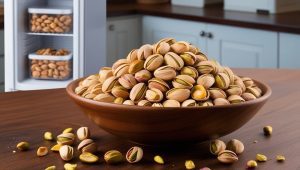
Humidity plays a significant role in determining the freshness of roasted nuts, including pistachios. High humidity levels can introduce moisture, which can cause pistachios to become soggy and lose their desirable crunch. This excess moisture can also lead to the growth of mold, making the nuts unsafe to consume. Therefore, it is essential to store pistachios in a dry place to prolong their shelf life.
Conversely, low humidity conditions can be favorable for preserving the quality of pistachios. When stored in a cool, dry environment, pistachios can maintain their texture and taste for an extended period. Therefore, keeping pistachios away from humid areas, such as kitchens or basements, is recommended to ensure they stay fresh and tasty for months.
What Are the Best Storage Methods for Roasted Pistachios?
When it comes to storing roasted pistachios, choosing the right method is crucial for maintaining their quality. The best way to store pistachios is in an airtight container, which helps prevent exposure to air and moisture. Glass jars with tight-fitting lids or plastic containers designed for food storage are excellent options. These containers not only keep the pistachios fresh but also protect them from potential contaminants.
Another effective storage method is to keep pistachios in a cool, dark place, away from direct sunlight. A pantry or cupboard is ideal for this purpose, as it helps maintain a stable temperature. However, in warmer climates, it is advisable to consider refrigeration to further extend the shelf life of the nuts. Storing pistachios correctly is essential for preserving their delightful taste and ensuring they remain a healthy snack choice.
Should You Use Airtight Containers?
Using airtight containers is highly recommended for storing pistachios, as they play a vital role in maintaining the nuts’ freshness. These containers prevent air from entering, which minimizes oxidation and keeps pistachios from becoming rancid. Airtight containers also help protect the nuts from moisture, which can lead to spoilage and the development of mold. By sealing pistachios in an airtight jar or container, you effectively create a controlled environment that preserves their quality.
Moreover, airtight containers are versatile and can be easily labeled with the purchase date or expiration date, making it easier to track the freshness of the pistachios. This organization allows you to enjoy your snack at its best quality while minimizing waste. Therefore, investing in high-quality airtight containers is a practical decision for anyone looking to store their pistachios effectively.
Is Refrigeration Necessary for Storing Pistachios?
While refrigeration is not always necessary for storing pistachios, it can be beneficial in certain circumstances. If you live in a warm climate or plan to keep your pistachios for an extended period, placing them in the refrigerator can help prolong their freshness. The cool temperature of the fridge slows down the oxidation process, preventing the nuts from becoming rancid. However, it is crucial to store them in an airtight container to avoid moisture absorption.
On the other hand, if you consume pistachios regularly and they are stored in a cool, dry pantry, refrigeration may not be necessary. In this case, keeping pistachios at room temperature in an airtight container is sufficient to maintain their quality. Ultimately, the choice to refrigerate should depend on your specific circumstances and how long you intend to store your pistachios.
How Long Can You Keep Roasted Pistachios in the Pantry?
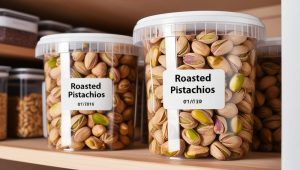
Roasted pistachios can typically be kept in the pantry for about six months to one year, provided they are stored in an airtight container and in a cool, dry place. The exact shelf life may vary depending on factors such as the initial quality of the pistachios and the environmental conditions where they are stored. Over time, even well-stored pistachios may begin to lose their freshness, so it is essential to check for any signs of spoilage regularly. You can buy pistachios in bulk from TGT Group to enjoy their natural freshness and tastee.
To maximize their freshness, consider labeling the container with the purchase date. This practice will help you keep track of how long the pistachios have been stored. Although they can last several months, it is always best to consume pistachios while they are still crunchy and flavorful to enjoy their full health benefits and taste.
How to Choose the Right Containers for Storing Pistachios?
Selecting the right containers for storing pistachios is essential to maintain their quality over time. The ideal containers should be airtight to protect the nuts from air, moisture, and potential contaminants. Glass jars with tight-fitting lids are an excellent choice, as they are non-reactive and help preserve the natural flavor of the pistachios. Plastic containers specifically designed for food storage can also be effective, provided they have secure seals.
Moreover, it is crucial to avoid containers that may absorb moisture or odors, as these factors can negatively impact the quality of the pistachios. Metal containers may sometimes react with the oils in the nuts, leading to off-flavors. Therefore, it is best to opt for glass or high-quality plastic containers to ensure your pistachios stay fresh and tasty for as long as possible.
Should You Avoid Certain Materials When Storing Nuts?
When storing nuts, including pistachios, it is essential to avoid certain materials that could compromise their freshness and flavor. Containers made from reactive metals, such as aluminum, can interact with the oils in the nuts, leading to off-flavors and spoilage. Moreover, materials that absorb moisture or odors, such as cardboard or certain plastics, should be avoided, as they can negatively affect the quality of the pistachios.
It is advisable to steer clear of containers that do not provide an airtight seal, as exposure to air can lead to oxidation and rancidity. Instead, opt for high-quality glass or BPA-free plastic that ensures a secure closure. By avoiding unsuitable materials, you can help ensure that your pistachios remain fresh and tasty for an extended period.
How Can You Label Containers to Track Freshness?
Labeling containers is a practical method for tracking the freshness of stored pistachios. By writing the purchase date or expiration date on the container, you can easily monitor how long the nuts have been stored. This practice allows you to prioritize consuming the oldest pistachios first, ensuring that you enjoy them at their best quality. You can use simple adhesive labels or even a permanent marker to indicate the dates clearly.
Additionally, consider noting the type of pistachios on the label, especially if you have multiple varieties, such as salted or unsalted. This organization will make it easier to select the desired flavor when snacking. By implementing a labeling system, you can effectively manage your pistachio storage, keeping track of their freshness and enjoying them at their peak quality.
How to Tell if Your Pistachios Have Gone Bad?
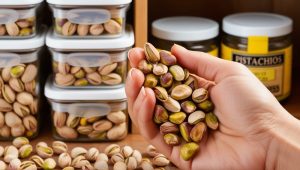
Identifying whether pistachios have gone bad is essential for ensuring food safety. One of the most noticeable signs of spoilage is a change in texture; if the pistachios feel soft or chewy rather than crunchy, they may be stale. Additionally, a rancid or off smell is a clear indicator that the nuts have spoiled. Fresh pistachios typically have a pleasant, nutty aroma, while spoiled nuts can emit a sour or unpleasant odor.
Visual inspection can also reveal signs of spoilage, such as mold or discoloration on the pistachios. If any pistachios appear shriveled or have a strange film on their surface, it is best to discard them. Regularly checking your stored pistachios for these signs can help you avoid consuming stale or spoiled nuts, ensuring your snacking experience remains enjoyable.
What Signs Indicate Staleness or Spoilage?
Several signs can indicate that pistachios have become stale or spoiled. One of the primary indicators is a change in texture; fresh pistachios should have a satisfying crunch, while stale nuts may feel soft or rubbery. Additionally, if you notice any mold or unusual discoloration on the pistachios, this is a clear sign of spoilage, and they should not be consumed.
Another critical factor to consider is the smell of the pistachios. Fresh pistachios have a pleasant, nutty aroma, while spoiled nuts may emit a rancid or sour odor. If you detect any off-putting scents, it is best to err on the side of caution and discard the nuts. By being vigilant and recognizing these signs, you can ensure that you enjoy only fresh and high-quality pistachios.
How Does the Smell of Pistachios Change Over Time?
The smell of pistachios can change over time, serving as a crucial indicator of their freshness. Fresh pistachios have a delightful, nutty aroma that is appealing and appetizing. However, as they begin to spoil, the scent may shift to a rancid or sour odor, indicating that the nuts have oxidized and are no longer safe to consume. This change in smell is often accompanied by a loss of flavor and texture, making the nuts undesirable as a snack.
It is essential to regularly check the aroma of your stored pistachios, especially if they have been kept for an extended period. If you notice any changes in their smell, it is advisable to inspect them for other signs of spoilage. By paying attention to the scent of pistachios, you can better determine their freshness and enjoy them at their best quality.
Can You Safely Eat Old Pistachios?
While it may be tempting to eat old pistachios, it is crucial to consider their freshness before consumption. If pistachios have developed signs of spoilage, such as a rancid smell or visible mold, it is best to avoid eating them. Consuming spoiled pistachios can lead to gastrointestinal discomfort and other health issues. However, if the nuts appear normal and maintain a pleasant aroma, they may still be safe to eat, albeit potentially lacking in flavor.
It is advisable to trust your senses when determining whether to eat older pistachios. If they still possess a crunchy texture and a nutty smell, they are likely acceptable to consume. Always prioritize freshness and quality, as enjoying pistachios at their prime enhances both taste and health benefits.
What Are Some Tips for Maintaining Freshness After Opening a Package?
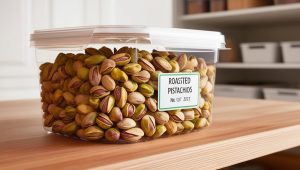
After opening a package of pistachios, maintaining their freshness requires careful attention. First, transfer the pistachios to an airtight container immediately to prevent exposure to air and moisture. This simple step can significantly extend their shelf life and keep them crunchy. Store the container in a cool, dry place, away from direct sunlight and humidity, to help preserve the quality of the nuts.
Another helpful tip is to avoid leaving the package open for extended periods. If you plan to consume the pistachios gradually, only take out small portions at a time. This approach minimizes the amount of time the remaining nuts are exposed to air. By following these tips, you can enjoy fresh and tasty pistachios long after opening the package.
Conclusion: How Can You Enjoy Fresh Pistachios All Year Round?
To enjoy fresh pistachios all year round, it is essential to understand how to properly store them. Pistachios should be stored in an airtight container in the refrigerator or freeze them for long-term storage. Fresh nuts are packed with flavor and quality, but they can expire if not stored correctly.
To keep pistachios fresh, avoid storing them at room temperature for more than months as this may cause them to go rancid. Instead, place them in an airtight container in the refrigerator, ensuring that they are kept away from moisture and odors. A baking sheet can be used to freeze pistachios, allowing for easy access later.
When buying pistachios, consider opting for vacuum-sealed packaging to maintain their crispness. If you notice any rancid nut odors, it indicates the nuts have gone stale or rancid. To prevent this, store them in plastic or glass containers and consume within three months.