


Dates, the sweet and chewy fruits of the date palm tree, offer an impressive array of health benefits that make them a valuable addition to any diet. Rich in essential vitamins and minerals, they are not only delicious but also highly nutritious. In this article, we will explore the various health benefits of dates, their nutritional value, and how they can contribute to overall well-being.
What Are the Health Benefits of Dates?
Why Should You Eat Dates Regularly?
Here are several reasons why you should consider eating dates regularly:
- Natural Energy Boost: Dates are high in natural sugars, providing a quick source of energy, and making them an excellent alternative to processed sweets.
- Rich in Essential Nutrients: Dates are packed with important nutrients like potassium and magnesium, which are crucial for maintaining proper bodily functions.
- Loaded with Antioxidants: The antioxidants found in dates help combat free radicals, which may reduce the risk of chronic diseases.
- Supports Bone Health: Dates are rich in minerals like calcium and phosphorus, which play a key role in maintaining strong bones and preventing osteoporosis.
- Promotes Digestive Health: With their high fiber content, dates aid in digestion and help promote regular, healthy bowel movements.
Incorporating dates into your diet is a simple way to enhance your overall health and well-being.

What Nutritional Value Do Dates Offer?
Dates are an excellent source of essential vitamins, minerals, and fiber. They not only aid digestion but also provide natural sugars for a quick energy boost with a lower glycemic index than many sugary snacks. Their antioxidants offer protection against oxidative stress, making them beneficial for heart health.
| Nutrient/Component | Amount per 100g | Health Benefits |
| Fiber | 6.7 g | Aids digestion, helps prevent constipation |
| Potassium | 696 mg | Regulates fluid balance, supports heart and muscle function |
| Magnesium | 54 mg | Supports nerve function, muscle health, and energy production |
| B Vitamins (B6) | 0.2 mg | Enhances brain function, helps in energy production |
| Natural Sugars | 66.5 g | Provides a quick energy boost, lower glycemic index than many sugary snacks |
| Antioxidants | High content | Protects against oxidative stress, promotes heart health, reduces cholesterol and inflammation |
By incorporating dates into your daily diet, you can leverage their rich nutrient profile to improve overall health and well-being.
How Do Dates Contribute to Heart Health?
Heart health is significantly influenced by the nutrient-rich composition of dates. They are known to be a good source of potassium, which helps regulate blood pressure and promote cardiovascular health. The fiber in dates aids in lowering cholesterol levels, contributing to a reduced risk of heart disease. Additionally, the antioxidants found in dates help combat inflammation, which is a major risk factor for heart-related issues.
Moreover, dates may help maintain optimal blood sugar levels, which is crucial for overall heart health. Their low glycemic index ensures that they provide sustained energy without causing spikes in blood sugar. Including dates in your diet can thus serve as a preventive measure against heart disease, making them a smart choice for anyone looking to improve their cardiovascular health.
Are Medjool Dates Different from Other Varieties?
What Makes Medjool Dates Unique?
- Larger Size and Softer Texture: Medjool dates are larger and softer compared to other date varieties, making them particularly appealing.
- Rich, Caramel-Like Flavor: Their exceptional taste, with a sweet and rich caramel-like flavor, sets them apart from other types of dates.
- High Nutritional Value: Medjool dates are packed with essential vitamins and minerals, such as potassium, magnesium, and vitamins B6 and K, contributing to overall health.
- Abundant Antioxidants: The high antioxidant content in Medjool dates helps combat oxidative stress, offering protective benefits for the body.
- Versatile in Culinary Uses: Their soft texture and delicious flavor make Medjool dates versatile in cooking. They can be eaten on their own, blended into smoothies, or used in a variety of recipes.
These unique qualities make Medjool dates a popular choice for both their taste and health benefits.
Health Benefits of Eating Mazafati Dates
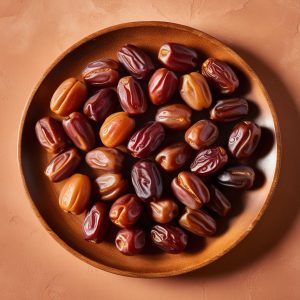
Mazafati dates, also known as Bam dates, offer numerous health benefits due to their rich nutrient profile. They are known for their soft, juicy texture and naturally sweet taste. These dates are a great source of dietary fiber, which aids digestion and helps prevent constipation. Mazafati dates are also rich in potassium, an essential mineral that supports heart health by helping regulate blood pressure.
In addition to promoting heart and digestive health, Mazafati dates provide a good amount of natural sugars, making them a perfect snack for a quick energy boost. Their antioxidant content helps reduce oxidative stress in the body, which can lower the risk of chronic diseases. Incorporating Mazafati dates into your diet can improve overall well-being, offering both flavor and nutritional benefits.
How Do Rabbi Dates Compare?
Rabbi dates are another variety with notable health benefits, but they differ from Mazafati dates in texture and taste. Rabbi dates are firmer and drier, with a less intense sweetness compared to Mazafati dates. Despite this difference, Rabbi dates are still packed with essential nutrients, including fiber, potassium, and magnesium. They help promote digestive health, regulate heart function, and provide sustained energy.
Rabbi dates are also rich in antioxidants, which can support overall health by reducing inflammation and protecting the body from free radical damage. This variety is often favored for its lower sugar content compared to other date varieties, making it a good option for those who want a mildly sweet snack that’s still nutritious.
How Do Kalooteh Dates Compare?
Kalooteh dates are another popular variety, known for their semi-dry texture and mildly sweet flavor. They are softer than Rabbi dates but not as juicy as Mazafati dates, making them versatile for snacking or using in cooking. Like other dates, Kalooteh dates are rich in fiber, which aids in digestion and promotes a healthy gut.
These dates are also a good source of natural sugars, providing a quick energy boost without a sharp spike in blood sugar levels. Kalooteh dates are packed with potassium, magnesium, and vitamins, which contribute to heart health, muscle function, and overall vitality. Their relatively lower glycemic index makes them a good choice for those who are mindful of their sugar intake.
How Do Dates Affect Blood Sugar Levels?
Are Dates High in Sugar?
While dates are known for their sweetness, they contain natural sugars rather than added sugars, making them a healthier alternative to many sugary snacks. The sugar in dates primarily comes from fructose, which is metabolized differently than refined sugars. Although dates are high in calories, their nutritional benefits far outweigh the potential concerns regarding sugar content. The fiber in dates also helps regulate blood sugar levels by slowing the absorption of sugar into the bloodstream.
This unique combination of natural sugars and fiber means that dates can provide sustained energy without causing drastic spikes in blood sugar levels. Therefore, while dates are high in sugar, their overall nutritional profile makes them a smart choice for those looking to satisfy their sweet tooth while maintaining balanced blood sugar levels.

What is the Glycemic Index of Dates?
Dates have a low glycemic index (GI), typically ranging from 42 to 55, depending on the variety. This means that they have a slower impact on blood sugar levels compared to high-GI foods. The low GI of dates makes them an excellent option for individuals looking to manage their blood sugar levels or those with diabetes. Consuming foods with a low glycemic index can help prevent spikes in blood sugar, promoting better overall health.
Additionally, the fiber content in dates aids in further stabilizing blood sugar levels. By slowing down the digestion and absorption of carbohydrates, dates can help maintain steady energy levels throughout the day. Understanding the glycemic index of dates can empower you to make informed dietary choices that support better blood sugar management and overall well-being.
Can Dates Help Manage Blood Sugar Levels?
Yes, dates can help manage blood sugar levels due to their unique composition. Despite their natural sweetness, the fiber in dates plays a crucial role in regulating glucose absorption. As a result, they help reduce the likelihood of sudden blood sugar spikes. The presence of essential vitamins and minerals, such as magnesium, further contributes to their potential health benefits by supporting insulin sensitivity.
Moreover, incorporating dates into balanced meals can enhance their effects on blood sugar management. Pairing dates with protein or healthy fats can create a more stable blood sugar response, making them a smart choice for snacks. Overall, dates may help individuals, especially those with diabetes, manage their blood sugar levels effectively while providing essential nutrients and energy.
What Role Do Dates Play in Digestive Health?
How Can Dates Help Prevent Constipation?
Dates can play a significant role in preventing constipation due to their high fiber content. Fiber is essential for promoting regular bowel movements and maintaining overall digestive health. The soluble fiber found in dates absorbs water, adding bulk to the stool and facilitating its passage through the intestines. This can help alleviate and prevent constipation, a common digestive issue faced by many individuals.
In addition to their fiber content, dates also contain natural sugars that can aid in digestion. They provide a quick source of energy, making them an excellent addition to a balanced diet. By incorporating dates into your meals or snacks, you can improve your digestive health and enjoy the benefits of regular bowel movements, enhancing your overall well-being.
Are Dates a Good Source of Fiber?
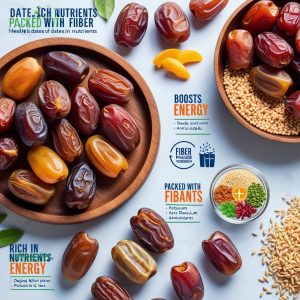
Yes, dates are indeed a good source of fiber, which is essential for maintaining digestive health. With approximately 7 grams of fiber per 100 grams, dates can help promote regular bowel movements and improve overall gut health. The fiber content in dates is primarily soluble fiber, which aids in slowing digestion and regulating blood sugar levels. This makes dates a beneficial option for individuals looking to enhance their fiber intake.
Moreover, the fiber in dates can help support healthy cholesterol levels, reducing the risk of heart disease. By incorporating dates into your diet, you can enjoy their delicious taste while reaping the benefits of increased fiber intake. This can lead to improved digestive health and a lower risk of chronic diseases, making dates an excellent addition to any healthy lifestyle.
What Are the Benefits of Eating Dates for Gut Health?
Eating dates can provide numerous benefits for gut health, primarily due to their high fiber content. The soluble fiber in dates helps promote the growth of beneficial gut bacteria, supporting a healthy microbiome. A balanced microbiome is essential for digestion, nutrient absorption, and overall gut health. Furthermore, the prebiotic properties of dates can enhance gut flora, contributing to better digestive function and immune support.
Additionally, dates are rich in antioxidants, which can help reduce inflammation in the gut. This can lead to improved digestive health and a decreased risk of gastrointestinal disorders. By including dates in your diet, you can support your gut health while enjoying their natural sweetness and nutritional benefits, making them a valuable addition to a balanced diet.
When is the Best Time to Eat Dates?
Can Eating Dates in the Morning Boost Your Energy?
Eating dates in the morning can indeed boost your energy levels, thanks to their natural sugar content and nutrient density. Dates provide a quick source of energy, making them an ideal breakfast option or addition to your morning routine. The combination of carbohydrates, fiber, and essential vitamins and minerals helps fuel your body for the day ahead. Consuming dates in the morning can provide sustained energy, keeping you energized throughout your busy day.
Furthermore, pairing dates with protein, such as yogurt or nuts, can create a balanced meal that supports your energy needs. This combination can help stabilize blood sugar levels, preventing energy crashes later in the day. By incorporating dates into your morning diet, you can enjoy a nutritious and energizing start to your day.
Are Dates Good as a Pre-Workout Snack?
Yes, dates make an excellent pre-workout snack due to their high carbohydrate content and natural sugars. Their quick energy release can help fuel your workout, providing the necessary stamina for physical activities. The fiber in dates also aids in digestion, ensuring that energy is readily available during your workout. Their natural sweetness can be a satisfying alternative to processed snacks, making them a popular choice among athletes and fitness enthusiasts.
Moreover, dates are easy to digest, which is crucial before engaging in strenuous exercises. Pairing dates with a source of protein, such as a protein shake or nut butter, can further enhance their effectiveness as a pre-workout snack. By consuming dates before exercising, you can maximize your performance and enjoy an effective workout.
Is There a Best Time to Consume Dates for Health Benefits?
While dates can be enjoyed at any time of the day, certain moments may maximize their health benefits. Consuming dates in the morning can provide an energy boost, while snacking on them before a workout can enhance your performance. Additionally, including dates in your evening meals can promote digestion and prevent late-night cravings. Their natural sweetness can also satisfy dessert cravings without resorting to processed sugars.
Ultimately, the best time to consume dates depends on your individual health goals and lifestyle. By strategically incorporating dates into your diet, you can enjoy their numerous health benefits while satisfying your taste buds. Whether as a snack, in smoothies, or as part of a meal, dates can be a versatile addition to your daily routine.

How Can You Incorporate Dates into Your Diet?
What Are Some Creative Ways of Mixing Dates?
Incorporating dates into your diet can be both delicious and creative. One popular way to enjoy dates is by blending them into smoothies for added sweetness and nutritional benefits. They can also be chopped and added to oatmeal or yogurt, providing a natural energy boost to your breakfast. Alternatively, you can mix dates into savory dishes, such as salads or grain bowls, to introduce a touch of sweetness and enhance the overall flavor profile.
Furthermore, dates can be used as a natural sweetener in baking recipes, replacing refined sugars with their rich, caramel-like flavor. They can be blended into energy balls or bars, making for a convenient and nutritious snack on the go. By exploring various ways to mix dates into your meals, you can enjoy their health benefits while satisfying your taste preferences.
What Recipes Can You Make with Chopped Dates?
Chopped dates can be incorporated into various recipes, enhancing both flavor and nutrition. One popular option is to add them to granola or energy bars, providing natural sweetness and a chewy texture. You can also include chopped dates in baked goods, such as muffins or bread, to create a deliciously moist treat. Their versatility allows them to be used in both sweet and savory dishes, making them a valuable ingredient in the kitchen.
Additionally, chopped dates can be added to salads for a burst of flavor and sweetness, complementing bitter greens and tangy dressings. They can also be blended into sauces or dressings for a unique twist. By experimenting with recipes that include chopped dates, you can enjoy their numerous health benefits while indulging in delicious meals.
How to Enjoy Dates Beyond Snacking?
There are numerous ways to enjoy dates beyond just snacking on them. One popular method is to use dates as a natural sweetener in smoothies, providing a nutritious and flavorful boost. They can also be incorporated into various dishes, such as salads, grain bowls, and baked goods, adding a delightful sweetness and chewy texture. Additionally, dates can be stuffed with nuts or cheese for a nutritious appetizer or dessert, showcasing their versatility in the kitchen.
Moreover, dates can be blended into sauces or dressings, adding depth and richness to your meals. Their natural sweetness can balance out savory flavors, making them a valuable ingredient in many recipes. By thinking creatively about how to incorporate dates into your meals, you can enjoy their health benefits while diversifying your culinary repertoire.