


Saffron, derived from the delicate stigma of the crocus sativus flower, is not only known for its culinary applications but also for its remarkable health benefits. This expensive spice has been revered for centuries for its ability to enhance mood, support eye health, and serve as a powerful natural remedy. In this article, we will explore the myriad benefits of saffron, how to use it effectively, and what you need to consider regarding saffron supplementation.
What are the health benefits of saffron?
- Alleviates Symptoms of Depression: Saffron may help alleviate symptoms of mild to moderate depression. Its active compounds can influence neurotransmitter activity in the brain, leading to improved mood and reduced feelings of sadness.
- Anti-Inflammatory Effects: Saffron extract possesses anti-inflammatory properties, which may contribute to its overall health-enhancing profile by reducing inflammation in the body.
- Promotes Eye Health: Research indicates that saffron can protect retinal cells from oxidative stress, a major contributor to age-related macular degeneration (AMD).
- Supports Visual Function: Saffron contains carotenoids, such as crocin and crocetin, known to improve blood circulation in the eyes. This enhances visual function, which is particularly important for older adults in maintaining eyesight and preventing further degeneration.These benefits highlight the potential of saffron as a valuable addition to a healthy lifestyle.
How does saffron affect mood and depression symptoms?
The effect of saffron on mood and depression symptoms is particularly noteworthy. Studies have found that saffron contains bioactive compounds that act similarly to conventional antidepressant medications. These compounds can help regulate serotonin levels in the brain, thereby improving mood and reducing the frustration associated with depression. Taking saffron daily may lead to significant improvements in mental well-being, enabling individuals to cope better with everyday challenges.
Furthermore, the gentle and natural approach of saffron supplementation makes it an appealing option for those seeking alternatives to pharmaceutical treatments. Many individuals report experiencing fewer side effects compared to traditional antidepressants, making saffron a popular choice for those with mild to moderate depression. The incorporation of saffron into one’s diet, whether through saffron tea or as a spice in meals, can provide a holistic pathway to enhancing emotional health.
What are the properties of saffron that promote eye health?
The properties of saffron that promote eye health are largely attributed to its rich concentration of antioxidants, particularly carotenoids. These compounds have a protective effect against oxidative damage, which can contribute to various eye conditions, including age-related macular degeneration. Saffron contains specific antioxidants that improve blood flow to the eyes, enhancing overall vision and potentially reversing some damage caused by aging.
In addition, research has shown that saffron may improve visual function in individuals with early AMD. The extract of saffron has been found to enhance retinal cell function, which can lead to better eyesight and reduced risk of vision loss. Regular use of saffron, whether in supplement form or as a flavorful addition to dishes, may thus serve as a preventive measure against deteriorating eye health.
Can saffron help with age-related macular degeneration?
Saffron may indeed help with age-related macular degeneration (AMD), a condition that affects many older adults. Studies have suggested that saffron extract can improve retinal structure and function. The presence of crocin in saffron is particularly beneficial, as it has been shown to enhance the integrity of retinal pigment epithelium, crucial for maintaining healthy vision.
Furthermore, the anti-inflammatory effects of saffron contribute to its protective role against AMD. By reducing inflammation and oxidative stress, saffron may slow the progression of this condition, allowing individuals to retain their eyesight longer. Regular intake of saffron, whether through culinary uses or supplements, may provide a proactive approach to eye health as one ages.
How to use saffron for maximum benefits?
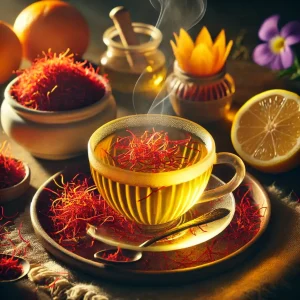
To maximize the benefits of saffron, it is essential to understand the best ways to incorporate this spice into your daily routine. One popular method is to make saffron tea, which involves steeping saffron threads in hot water to extract its beneficial compounds. This method not only allows you to enjoy the flavor but also enables your body to absorb saffron’s health-promoting properties effectively. Adding a pinch of saffron to your tea can be a soothing ritual that enhances both taste and wellness.
In addition to saffron tea, using saffron as a seasoning in various dishes can also be beneficial. Incorporating saffron into rice, soups, or desserts can enhance their flavor while providing the added health benefits associated with this remarkable spice. It is essential to note that saffron should be used in moderation to fully appreciate its effects without overwhelming your palate.
What’s the best way to make saffron tea?
The best way to make saffron tea involves a few simple steps to ensure that you capture the full essence of this valuable spice. Start by taking a small quantity, about 10-15 strands of saffron, and soak them in a tablespoon of warm water for about 10-15 minutes. This process allows the saffron to release its vibrant color and potent compounds into the water. Once the saffron has infused, pour the mixture into your cup and add hot water according to your desired strength.
For added flavor, consider incorporating honey or lemon into your saffron tea. This not only enhances the taste but also complements the health benefits of saffron. Drinking saffron tea regularly can be an effective way to enjoy its mood-boosting and eye-protective properties while indulging in a comforting beverage that promotes well-being.
How much saffron should you take daily?
The recommended daily dosage of saffron varies based on individual health needs, but general guidelines suggest that taking saffron in moderation is key to reaping its benefits. A common recommendation is to consume between 30 mg to 150 mg of saffron daily, depending on whether you are using saffron threads or saffron extract. It is vital to consult with a healthcare provider to determine the appropriate dosage tailored to your specific health conditions.
Exceeding the recommended dosage may lead to adverse effects, so adhering to these guidelines is essential. Gradually incorporating saffron into your diet allows you to monitor how your body responds and adjust the intake as necessary. By maintaining a consistent yet moderate intake of saffron, you can maximize its health benefits while minimizing potential risks.
Can saffron supplements be beneficial?
Saffron supplements can indeed be beneficial, particularly for those who find it challenging to incorporate saffron threads into their daily diet. These supplements often contain concentrated extracts of saffron, providing a more potent dose of its active compounds. Research suggests that saffron supplementation may yield significant improvements in mood and eye health, making it a valuable addition to a health regimen focused on mental and visual well-being.
Moreover, saffron supplements are convenient and easy to incorporate into your routine. They offer a reliable way to experience the benefits of saffron, especially for those who may not enjoy the taste of saffron in food or beverages. However, as with any supplement, it is crucial to select high-quality products and consult a healthcare professional to ensure safe and effective use.
What are the potential health benefits of saffron extract?
The potential health benefits of saffron extract are vast, largely due to the concentration of beneficial compounds found within the saffron flower. Saffron extract is rich in antioxidants, which help to combat oxidative stress and reduce inflammation in the body. These properties may contribute to improved overall health, making saffron extract an appealing option for those seeking natural remedies for various ailments.
Additionally, saffron extract has been studied for its efficacy in treating mild to moderate depression. The compounds within saffron are thought to enhance mood by regulating serotonin levels, similar to conventional antidepressants. This natural approach to mental health treatment can provide relief for those who prefer alternatives to pharmaceutical options, highlighting the growing interest in saffron extract as a viable solution for emotional well-being.
How does saffron extract compare to saffron threads?
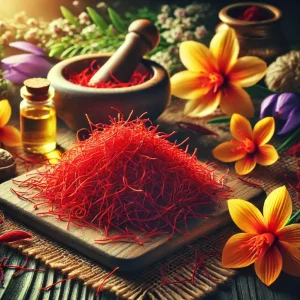
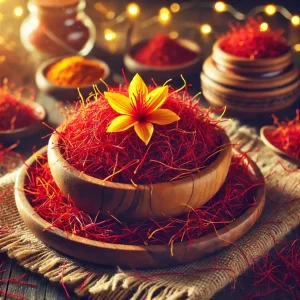
When comparing saffron extract to saffron threads, it is essential to note that both forms offer unique advantages. Saffron threads, or the stigmas of the crocus sativus flower, provide a more natural and traditional way to enjoy saffron’s flavor and health benefits. They are often used in culinary applications and can be steeped to create saffron tea, as well as incorporated into various dishes.
Saffron extract, on the other hand, is a concentrated form that may deliver a higher potency of beneficial compounds in a smaller dosage. This makes it a convenient option for those looking to experience the health benefits of saffron without the need for extensive culinary preparation. Ultimately, the choice between saffron threads and saffron extract depends on individual preferences and health goals, as both forms contribute to enhanced well-being.
What are the anti-inflammatory effects of saffron?
The anti-inflammatory effects of saffron are an essential aspect of its health benefits, contributing to its potential in managing various conditions. Saffron contains several active compounds, such as crocin and safranal, which have been shown to inhibit inflammatory pathways in the body. By reducing inflammation, saffron may help alleviate symptoms associated with chronic conditions, including arthritis and joint pain.
Moreover, the anti-inflammatory properties of saffron extend to its role in supporting eye health. By mitigating inflammation in the ocular region, saffron may protect against conditions like age-related macular degeneration, promoting long-term visual function. Incorporating saffron into your diet, whether through cooking or supplementation, can thus support overall health by harnessing its powerful anti-inflammatory effects.
Is saffron extract effective for mild to moderate depression?
Saffron extract has emerged as a promising natural treatment for mild to moderate depression, with numerous studies supporting its efficacy. Research has found that saffron extract can significantly reduce symptoms of depression, often showing results comparable to traditional antidepressants. The bioactive compounds in saffron work by enhancing serotonin levels in the brain, contributing to an improved mood and emotional resilience.
Additionally, saffron extract is well-tolerated by most individuals, with minimal side effects reported. This makes saffron a favorable option for those who may experience adverse reactions to pharmaceutical antidepressants. Regular use of saffron extract as part of a balanced health regimen may offer a holistic approach to managing depression, providing individuals with a natural alternative that promotes mental well-being.
What makes saffron the most expensive spice in the world?
Saffron is often regarded as the most expensive spice in the world due to several factors linked to its cultivation and harvesting processes. The labor-intensive nature of saffron harvesting is a primary contributor to its high cost. Each saffron flower produces only three red stigmas, which must be carefully handpicked during a short blooming season. This meticulous process requires significant time and effort, making saffron a luxury item in culinary circles.
Furthermore, the geographical regions that produce saffron, such as Iran, Spain, and India, have specific climatic and soil conditions that favor the growth of the crocus sativus flower. These unique growing conditions, combined with the limited supply of saffron, contribute to its elevated price. Consequently, saffron is not just a spice; it embodies a rich history and tradition, enhancing its allure as a premium culinary ingredient.
How is saffron harvested from crocus sativus?
The harvesting of saffron from the crocus sativus flower is a delicate and labor-intensive process. Saffron flowers bloom in the fall, and the harvest occurs within a few weeks when the flowers are in full bloom. Each flower yields only three stigmas, which must be carefully handpicked by skilled laborers during the early morning hours when the flowers are still closed. This timing ensures the stigmas are at their peak freshness and potency.
After harvesting, the stigmas are then dried to preserve their flavor and medicinal properties. This drying process is crucial, as it enhances the saffron’s rich color and aromatic qualities. Given the meticulous nature of this process, it is no surprise that saffron is considered a highly valuable spice, representing not only culinary excellence but also the dedication of those who cultivate it.
What factors contribute to the high cost of saffron?
Several factors contribute to the high cost of saffron, making it one of the most sought-after spices in the world. One of the primary reasons is the labor-intensive harvesting process, where thousands of flowers must be handpicked to yield a small quantity of saffron. This intricate work requires skilled labor and takes place over a limited time frame, adding to the overall expense of saffron production.
Additionally, the specific climatic conditions required for growing saffron, combined with its limited geographic distribution, further restrict its availability. This scarcity leads to higher market prices, as demand often outweighs supply. Moreover, the potential for adulteration and mislabeling in the saffron market necessitates that consumers invest in high-quality sources, which can also drive up costs. As a result, saffron remains a luxury item, cherished for its flavor and health benefits.
Why is saffron considered a luxury spice?
Saffron is considered a luxury spice for various reasons, primarily due to its rarity and the painstaking methods required for its production. The extensive labor involved in harvesting saffron, combined with the limited annual yield from each crocus sativus flower, creates a scenario where saffron is not only rare but also in high demand. This rarity, coupled with its unique flavor and health benefits, sets saffron apart as a premium culinary ingredient.
Moreover, saffron has a rich cultural history, often associated with culinary sophistication and gourmet dining experiences. Its vibrant color and aromatic qualities enhance dishes, making it a sought-after addition in fine dining and specialty cuisines. The combination of these factors, including its health-promoting properties, solidifies saffron’s status as a luxury spice, coveted by chefs and health enthusiasts alike.
Are there any side effects of saffron supplementation?
While saffron supplementation is generally considered safe for most individuals, it is essential to be aware of potential side effects. Some users may experience mild digestive issues or allergic reactions, particularly when consuming high doses. It is advisable to start with a lower dosage and gradually increase it, allowing the body to adjust to saffron’s effects. Consulting with a healthcare provider before beginning saffron supplementation is crucial, especially for individuals with pre-existing conditions or those taking medications.
Additionally, excessive intake of saffron may lead to more severe health issues, including toxicity in rare cases. It is essential to adhere to recommended dosages, typically ranging from 30 mg to 150 mg daily, to avoid adverse reactions. By being mindful of dosage and potential side effects, individuals can safely enjoy the health benefits associated with saffron supplementation.
What are the recommended dosages for saffron supplements?
The recommended dosages for saffron supplements can vary based on individual health needs and the specific product being used. Generally, it is suggested that individuals take between 30 mg to 150 mg of saffron extract daily to achieve optimal benefits. This dosage range has been supported by various studies demonstrating saffron’s effectiveness in improving mood and eye health without significant side effects.
It is crucial to follow the manufacturer’s guidelines and consult with a healthcare professional to determine the most appropriate dosage based on your unique health circumstances. Additionally, tracking your body’s response to saffron supplementation can help in adjusting the dosage as needed, ensuring that you experience its full benefits while minimizing any potential risks.
Can excessive saffron intake lead to health issues?
Excessive saffron intake can indeed lead to health issues, and it is essential to be cautious about the dosages consumed. While saffron is generally safe in moderate amounts, high doses can cause adverse effects such as nausea, vomiting, or even more severe reactions in rare cases. The potential for toxicity increases significantly with dosages exceeding 5 grams, which is well above the typical daily recommendation.
To ensure safe usage, it is advised to adhere to the recommended dosage guidelines and consult with healthcare professionals when considering saffron supplementation. By maintaining moderation, individuals can enjoy the myriad benefits of saffron without risking their health, making it a valuable addition to a balanced wellness regimen.
What should you know before starting saffron supplementation?
Before starting saffron supplementation, it is essential to consider several factors to maximize its benefits while minimizing risks. First, consult with a healthcare provider to discuss any existing health conditions or medications you may be taking, as saffron can interact with certain drugs. It is also important to choose high-quality saffron products from reputable sources to ensure purity and effectiveness.
Additionally, be mindful of the recommended dosages, as exceeding these can lead to adverse effects. Starting with a lower dosage allows you to gauge your body’s reaction and adjust accordingly. Lastly, consider incorporating saffron into your diet through culinary uses, such as saffron tea or dishes, as this can provide a holistic approach to health. By taking these steps, you can safely enjoy the multitude of health benefits that saffron has to offer.