


The pistachio nut, a delightful and nutritious snack, has a rich history that dates back thousands of years. Its journey from ancient orchards to modern-day markets reveals not only its agricultural significance but also its cultural heritage. This article explores the historical timeline of the pistachio nut, its origins, production methods, varieties, and the impact it has had on global markets, as well as its nutritional benefits.
What is the History of Pistachio?
When were pistachios first cultivated?
Pistachios were first cultivated around 7,000 B.C. in the regions of the Middle East, particularly in Iran and surrounding areas. Archaeological evidence suggests that these nuts were not only a source of food but also part of cultural practices. As they became more popular, various civilizations began to cultivate pistachio trees, recognizing the value of their nutrient-rich kernels. The cultivation of pistachios was integral to the agricultural practices of ancient societies, as they learned to grow pistachios in suitable climates and conditions, which contributed to their spread across different regions.
Over the centuries, the cultivation of pistachio trees took root particularly in arid climates, where they thrived in sandy soils. The cultivation methods evolved, leading to improved yields and quality of the nuts produced. Historical texts mention the pistachio as a prized food source, often reserved for royalty and the elite. The enduring popularity of pistachios can be attributed to their delectable flavor and health benefits, making them a sought-after commodity throughout history.
How did the pistachio nut spread across the world?
The spread of the pistachio nut across the globe can be attributed to trade routes and exploration. As ancient civilizations interacted through trade, they exchanged not only goods but also agricultural knowledge. Persian traders played a vital role in introducing pistachios to regions like the Mediterranean and beyond. This exchange allowed various cultures to appreciate the unique taste and nutritional benefits of the pistachio nut, leading to its integration into different culinary practices.
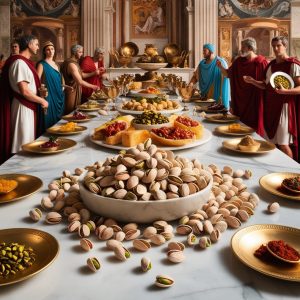
By the time of the Roman Empire, pistachios were well-known and highly valued, often featured in luxurious banquets. The movement of pistachios extended further with the advent of the Silk Road, which facilitated trade between the East and West. Eventually, pistachio seeds made their way to the Americas in the 19th century, where American pistachio growers began to cultivate them in regions like California, Arizona, and New Mexico. This expansion marked a significant chapter in the pistachio history, as it established new production areas and introduced the nut to a broader audience.
What role did the Queen of Sheba play in pistachio history?
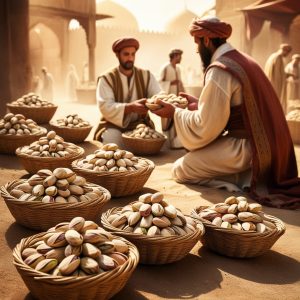
The Queen of Sheba is often linked to the rich history of the pistachio nut, as she is believed to have been an early admirer of this exquisite delicacy. Historical accounts suggest that she brought pistachios back to her homeland, further enhancing their prestige. The association of the pistachio with royalty and opulence is exemplified in tales of the Hanging Gardens of Babylon, where the nut was likely cultivated and consumed by the elite. Such anecdotes contribute to the nut’s allure and historical significance.
The Queen’s admiration for pistachios underscores their value not only as a food source but also as a symbol of wealth and luxury in ancient times. This connection to regal figures helped to elevate the status of the pistachio nut, ensuring its place in culinary traditions. Over the centuries, the story of the Queen of Sheba and her fondness for pistachios has persisted, cementing the nut’s reputation as a cherished treat across cultures.
Where do pistachios originate from?
What are the pistachio origins in Iran?
The origins of pistachios can be traced back to Iran, which is often regarded as the birthplace of the pistachio nut. Iranian pistachios have been cultivated for centuries, with the country’s climate and soil providing ideal conditions for the growth of pistachio trees. The unique varieties developed in Iran, particularly the Kerman and Ahmad Aghaei, are renowned for their flavor, size, and nutritional content, making them highly sought after in the global market.
These pistachio orchards have become an integral part of Iranian agriculture, contributing significantly to the country’s economy. Iranian pistachio growers have perfected cultivation techniques over generations, focusing on sustainable practices that enhance both yield and quality. The rich history of pistachios in Iran is not only reflected in its production but also in its cultural significance, where the nut holds a place in traditional celebrations and culinary dishes.
How did Syria contribute to the history of pistachio?
Syria has played a crucial role in the history of pistachios, particularly in the cultivation and trade of this beloved nut. The country’s favorable climate has made it an ideal location for growing pistachio trees, and Syrian growers have developed their own unique varieties over time. The historical significance of pistachios in Syria can be traced back to ancient civilizations, where they were utilized in various culinary and medicinal practices.
Additionally, the geographical positioning of Syria along key trade routes facilitated the spread of pistachios to neighboring regions and beyond. As trade flourished, so did the importation of pistachio seeds and cultivation techniques, leading to a broader appreciation of the nut. Today, Syria continues to be recognized as a significant producer of pistachios, contributing to the rich tapestry of the pistachio industry and its global influence.
Which regions are known for their pistachio production?
Pistachio production is concentrated in several key regions around the world. These areas are known for their ideal growing conditions and significant contributions to global supply. Here are the main regions associated with pistachio production:
- Iran – The leading producer, known for high-quality pistachios.
- Syria and Turkey – Major contributors from the Middle East.
- United States (California) – A major player in commercial pistachio production.
- Arizona and New Mexico – Emerging U.S. regions with growing pistachio industries.
- Global Variety – Different regions offer diverse pistachio flavors and characteristics.

How is pistachio production carried out?
What are the steps involved in harvesting pistachios?
The process of harvesting pistachios involves several key steps to ensure the best quality and yield. These steps include:
- Monitoring Maturity: Pistachio growers carefully monitor the maturity of the nuts, which typically ripen from late summer to early fall.
- Tree Shaking: Once the nuts are ready, specialized equipment is used to shake the pistachio trees, causing the nuts to fall onto tarps or nets spread beneath.
- Collection: The fallen pistachios are efficiently gathered for transport to processing facilities.
- Cleaning and Drying: At the processing facility, the nuts are cleaned to remove debris, then dried to preserve their flavor and shelf life.
- Grading: The pistachios are graded based on size and quality to ensure only the best nuts are packaged.
- Packaging and Distribution: Finally, the pistachios are packaged and distributed to markets worldwide.
What types of pistachio trees are used in commercial pistachio farming?
Commercial pistachio farming primarily involves the cultivation of specific types of pistachio trees that are well-suited for large-scale production. The key elements include:
- Pistacia vera: The main species used in commercial farming, known for producing high-quality pistachios.
- Kerman Variety: One of the most popular cultivars within Pistacia vera, valued for its excellent flavor, texture, and size, making it highly desirable in the market.
- Male and Female Trees: Both male and female trees are planted, with a typical ratio of one male tree for every 8 to 10 female trees to ensure effective pollination.
- Other Cultivars: In addition to Kerman, other cultivars like Ahmad Aghaei and Peters (used as a male pollinator) are often chosen to enhance productivity and resilience.
This combination of species, cultivars, and planting strategies is key to optimizing yield and nut quality in commercial pistachio orchards.
How do male and female trees affect pistachio growth?
The interaction between male and female pistachio trees is pivotal in determining the success of pistachio growth and yield. Male trees produce pollen that is essential for fertilizing the female trees, which ultimately leads to the development of pistachio nuts. Without sufficient male trees, female trees may not produce any nuts, severely affecting the overall harvest. Hence, the strategic planning of planting ratios is vital for commercial pistachio growers.
Moreover, the timing of flowering and pollination between male and female trees is crucial. If the flowering periods do not align, the potential for nut production diminishes significantly. Growers must monitor environmental conditions closely to ensure optimal pollination occurs. This interdependence between male and female pistachio trees exemplifies the complexities of pistachio production and highlights the importance of proper cultivation techniques in maximizing yield.
What are the different varieties of pistachio?
What are the most popular pistachio varieties?
Several varieties of pistachios are particularly popular in the global market due to their unique characteristics. The following are some of the most sought-after types:
- Kerman: Known for its excellent taste, large size, and high kernel yield, this variety is one of the most widely cultivated pistachios worldwide.
- Ahmad Aghaei: This variety is prized for its large size, elongated shape, and rich flavor, making it a favorite in both domestic and international markets.
- Akbari: Characterized by its long shape and high kernel-to-shell ratio, Akbari pistachios are known for their premium quality and are often considered one of the finest varieties.
- Fandoghi: The Fandoghi pistachio is smaller in size but highly valued for its great taste and high productivity, making it a popular choice among growers.
- Red Aleppo: Known for its distinct red shell, this variety is popular for its rich, earthy flavor.
By cultivating a range of varieties, producers can cater to different consumer preferences and meet the growing demand for high-quality pistachios.
How do American pistachio growers compare to Iranian pistachios?
The American pistachio industry has grown significantly in recent decades, particularly in California, where growers have implemented advanced agricultural techniques to enhance production. While Iranian pistachios are revered for their unique taste and historical significance, American pistachios are often praised for their consistent quality and large-scale availability. The cultivation methods employed by American pistachio growers focus on optimizing yield and ensuring that the nuts meet stringent quality standards to compete in the global market.
However, the flavor profiles of Iranian and American pistachios can differ significantly, with Iranian varieties often having a richer and more complex taste due to the country’s traditional growing methods. As a result, consumers may have preferences based on regional taste characteristics, driving competition between these two major producers. Ultimately, both American and Iranian pistachios play vital roles in the global pistachio market, each contributing to the diversity of flavors and products available to consumers.
What makes Iran pistachio unique in the pistachio industry?
Iranian pistachios hold a distinct position in the global pistachio industry due to their rich heritage, exceptional flavor, and unique growing conditions. The diverse climate and soil types found in various regions of Iran provide an ideal environment for cultivating high-quality pistachio varieties. The Kerman and Ahmad Aghaei pistachios, in particular, are renowned for their rich taste and are often considered some of the best products of the land.
Moreover, the traditional cultivation methods employed by Iranian farmers, passed down through generations, emphasize sustainability and quality over quantity. This commitment to quality has helped Iranian pistachios maintain their reputation in the global market, distinguishing them from other varieties. As a result, Iranian pistachios are often sought after by gourmet food enthusiasts and culinary professionals, further solidifying their unique status in the pistachio industry.
How have pistachios impacted global markets?
What is the current state of the pistachio markets?
The current state of the pistachio markets reflects a growing global demand for this nutritious nut. As consumers become more health-conscious, the popularity of pistachios has surged, leading to increased production and trade. Major producers, including Iran and the United States, have expanded their operations to meet the rising demand, with California becoming a leading center for commercial pistachio farming. The competitive landscape has prompted growers to enhance their cultivation techniques, ensuring high-quality products that appeal to both domestic and international markets.
This growing market has also seen the emergence of various products that incorporate pistachios, ranging from snacks to gourmet culinary ingredients. The versatility of the pistachio nut has allowed it to find a place in numerous recipes and dietary plans, further driving demand. As a result, the global pistachio industry continues to thrive, benefitting from both traditional markets and innovative product developments.
How do imported pistachios affect local pistachio growers?
The influx of imported pistachios has significant implications for local pistachio growers, particularly in regions where domestic production faces competition from international sources. While imported pistachios offer consumers a broader choice and often lower prices, they can pose challenges for local growers who struggle to compete on cost. This can lead to pressure on local farmers to innovate and improve their own production methods to maintain market share and profitability.
Moreover, the presence of imported pistachios can affect pricing strategies within local markets, potentially squeezing profit margins for domestic producers. To counter this challenge, many local pistachio growers are focusing on promoting the quality and unique characteristics of their products, emphasizing the benefits of locally sourced nuts. By highlighting the superior flavor and nutritional value of their pistachios, local growers aim to capture consumer loyalty and differentiate themselves in a competitive landscape.

What challenges do pistachio producers face today?
Pistachio producers today face several key challenges that threaten their sustainability and profitability. These include:
- Climate Change: Fluctuations in temperature, extreme weather events, and changing precipitation patterns can disrupt the growth cycle of pistachio trees, leading to reduced yields.
- Water Scarcity: Pistachio trees require significant amounts of water, and water shortages or restrictions in key growing regions, like California and Iran, can limit production.
- Pests and Diseases: Pests such as the navel orangeworm and diseases like panicle and shoot blight continue to pose serious threats to pistachio orchards, requiring ongoing management and investment in pest control strategies.
- Limited Genetic Diversity: The reliance on a few popular pistachio varieties, like Kerman, increases vulnerability to diseases and environmental stresses, limiting adaptability in the face of new challenges.
- Labor and Production Costs: Rising labor costs, especially in regions like the U.S., as well as the high cost of maintaining orchards, can squeeze profit margins for pistachio producers.
- Market Competition and Price Volatility: Increased global production, particularly from new entrants like China, can lead to price fluctuations and market oversupply, impacting profitability for established producers.
These challenges require producers to adapt through innovative farming techniques, sustainable practices, and diversification to ensure the industry’s long-term resilience.
Why are pistachios considered a healthy snack?
What nutritional benefits do pistachios offer?
Pistachios are celebrated not only for their delightful taste but also for their impressive nutritional profile. These nutrient-dense nuts are rich in healthy fats, protein, fiber, and essential vitamins and minerals. For instance, a one-ounce serving of pistachios contains significant amounts of vitamin B6, copper, manganese, and phosphorus, which are crucial for various bodily functions.
The healthy fats found in pistachios are primarily monounsaturated and polyunsaturated fats, which can help reduce bad cholesterol levels and promote heart health. Additionally, the fiber content in pistachios aids in digestion and contributes to a feeling of fullness, making them an excellent choice for weight management. Incorporating pistachios into a balanced diet can provide numerous health benefits, making them a popular snack option for health-conscious individuals.
How can you incorporate eating pistachios into your diet?
Incorporating pistachios into your diet is both easy and delicious, as they can be enjoyed in various ways. One of the simplest methods is to consume them as a standalone snack, either raw or roasted, providing a satisfying crunch and flavor. They can also be added to salads for an extra layer of texture and nutrition, enhancing both taste and visual appeal.
For those who enjoy cooking, pistachios can be ground into a flour and used in baking, offering a nutty flavor to cakes and cookies. Additionally, they can be blended into smoothies or sprinkled over yogurt and oatmeal, providing a nutritious boost to breakfast or snacks. The versatility of pistachios makes them an excellent addition to a variety of meals, encouraging individuals to explore creative culinary uses.
What are some popular recipes featuring pistachio nuts?
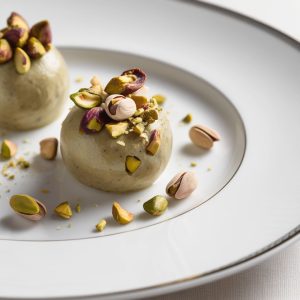
Pistachios can elevate numerous dishes with their unique flavor and texture, making them a favorite ingredient in many recipes. One popular dish is pistachio-crusted salmon, where crushed pistachios are combined with herbs and spices to create a flavorful coating that complements the fish. This dish not only highlights the nut’s crunch but also adds a nutritious element to the meal.
Another beloved recipe featuring pistachios is baklava, a traditional Middle Eastern dessert made with layers of phyllo pastry, honey, and a filling of chopped pistachios. The nutty flavor of pistachios enhances the sweetness of the dish, creating a delightful culinary experience. Additionally, pistachios can be incorporated into ice creams, granola bars, or even savory dishes like pistachio pesto, showcasing their versatility in both sweet and savory cuisine.